How to Tell High-Quality Reclaimed Wood from the Rest
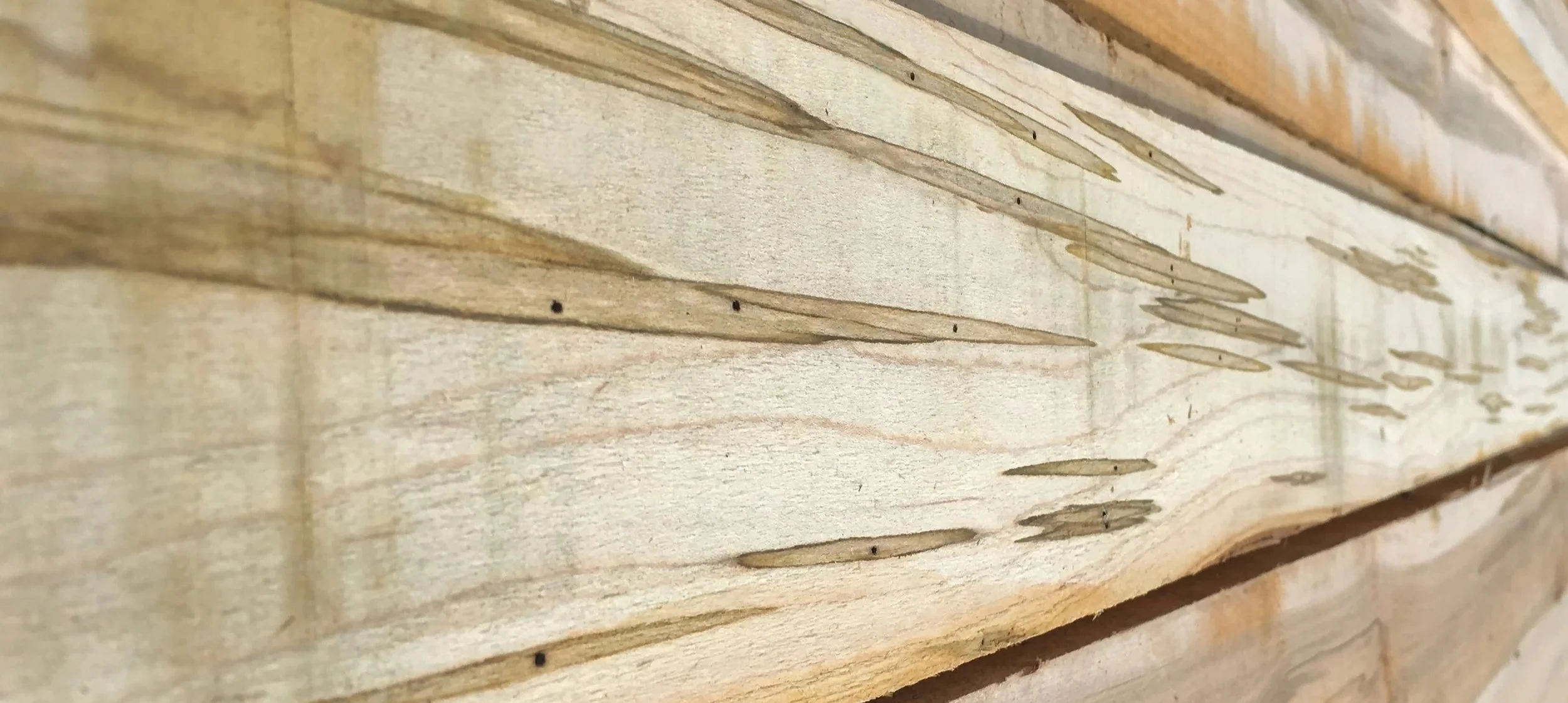
Reclaimed wood has become a favorite for builders, designers, and homeowners who value character, sustainability, and craftsmanship. But not all reclaimed wood is created equal. Knowing how to spot high-quality reclaimed lumber can make the difference between a lasting investment and a costly mistake.
Here’s what to look for, and why Mile High Lumber Co.’s reclaimed wood rises above the rest.
1. Proven Origin and History
High-quality reclaimed wood should have a traceable story. Where did it come from? How was it used before?
Premium reclaimed lumber is often sourced from old barns, factories, warehouses, and historic structures, places built with dense, old-growth timber no longer available today. Knowing the origin helps ensure authenticity, durability, and character.
2. Old-Growth Density and Strength
True reclaimed wood is typically harvested from old-growth forests, making it denser, stronger, and more stable than most modern lumber.
You can often feel the difference:
Heavier boards
Tighter grain patterns
Greater resistance to warping and movement
This density translates to better performance in flooring, beams, furniture, and architectural details.
Why it matters:
Denser wood lasts longer, performs better, and holds finishes beautifully.
3. Proper De-Nailing and Metal Detection
One of the biggest risks with reclaimed wood is hidden metal, nails, bolts, and hardware that can damage tools or compromise safety.
Low-quality suppliers may skip thorough inspection, leaving customers to deal with the consequences.
Our standard:
Every board is professionally de-nailed to ensure it’s safe, clean, and ready to use.
4. Natural Patina, Not Artificial Distressing
Authentic reclaimed wood shows its age honestly. True patina comes from decades of exposure, use, and time, not shortcuts.
Beware of:
Artificial distressing
Chemically aged surfaces
Uniform “weathering”
What sets premium wood apart:
Natural wear patterns, nail holes, saw marks, and color variation that can’t be replicated.
6. Moisture Content and Stability
Quality reclaimed lumber is properly dried and acclimated. Wood that hasn’t been stabilized can shrink, cup, or crack after installation.
Our approach:
We monitor moisture content carefully so our reclaimed wood performs reliably in both residential and commercial environments.
7. Knowledgeable Sourcing and Support
Perhaps the most overlooked indicator of quality is the supplier itself.
A reputable reclaimed wood company should:
Educate customers
Offer guidance on applications
Stand behind their product
Our commitment:
At Mile High Lumber Co., reclaimed wood isn’t a trend, it’s our craft. We help clients select the right material for their vision, ensuring beauty, longevity, and sustainability.
Why Choose Premium Reclaimed Wood
High-quality reclaimed wood isn’t just about aesthetics, it’s about performance, safety, and honoring the material’s past while building for the future.
When sourced, prepared, and milled correctly, reclaimed lumber offers unmatched character, strength, and environmental benefits.
That’s the difference you’ll find at Mile High Lumber Co.