Why Old Growth Lumber Is Different from Modern Timber
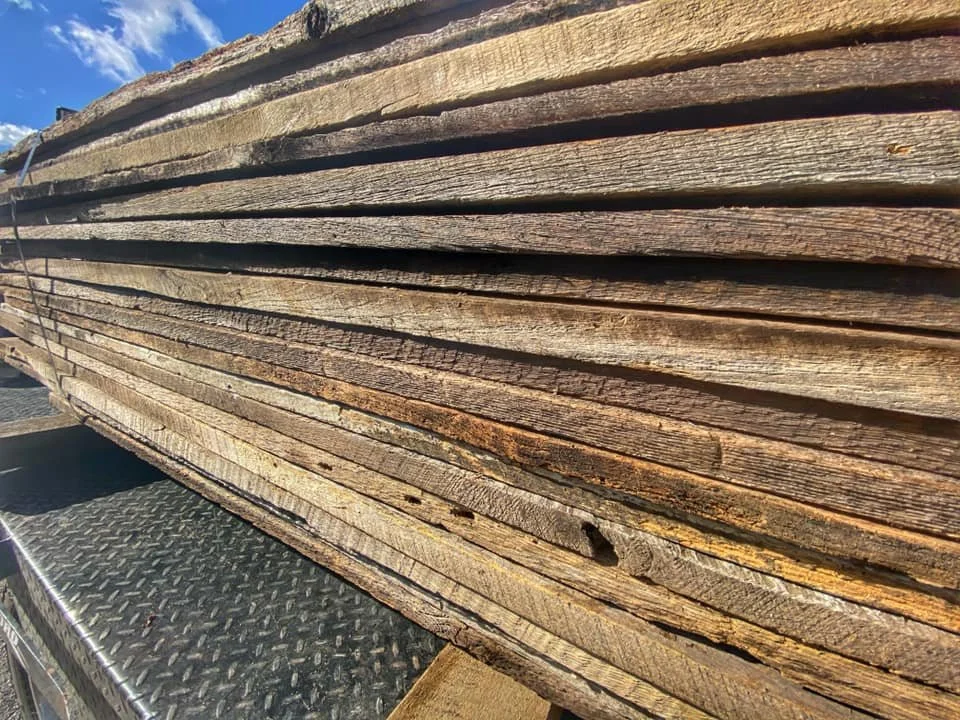
Not all wood is the same. One of the biggest differences in lumber quality comes from how and when the trees were grown. Old growth lumber, commonly found in reclaimed wood, offers characteristics that modern timber often cannot replicate.
Slower Growth Creates Stronger Wood
Old growth trees matured slowly over decades or even centuries. This slower growth created tighter grain patterns and denser wood fibers.
As a result, old growth lumber is often:
Stronger
More stable
More resistant to warping
Longer lasting
Unique Grain and Character
Old growth lumber displays rich grain patterns and natural character rarely found in modern fast grown timber.
Reclaimed wood sourced from historic barns and buildings often contains:
Tight grain lines
Rich color variation
Natural patina
Authentic saw marks and texture
These features give reclaimed lumber its distinctive appearance.
Modern Timber Grows Faster
Today’s lumber is typically harvested from younger trees grown specifically for faster production. While modern timber remains valuable for construction, it often has wider grain patterns and lower density compared to old growth lumber.
Sustainability Through Reclamation
Using reclaimed old growth lumber also supports sustainability by repurposing existing materials rather than harvesting additional trees.
Ideal for Custom Projects
Because of its beauty and durability, old growth lumber remains highly sought after for:
Flooring
Furniture
Accent walls
Beams
Ceilings
Preserving History Through Craftsmanship
At Mile High Lumber Co., reclaimed old growth lumber allows homeowners and builders to incorporate timeless materials with lasting strength and character into modern spaces.